


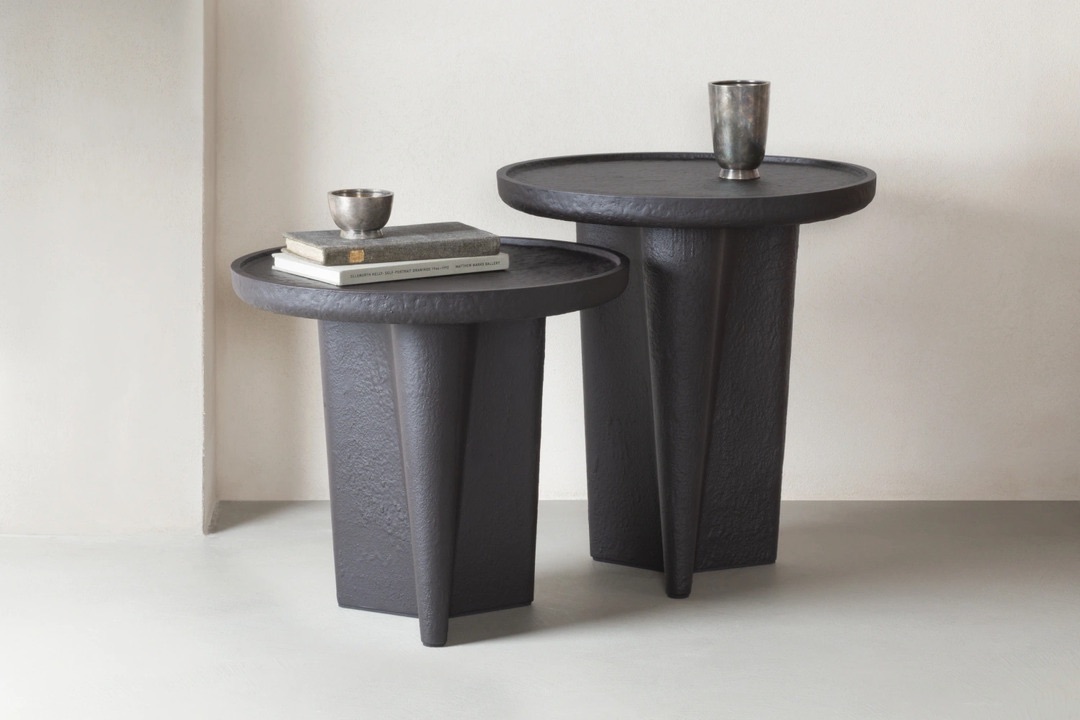
A reading nook, a hallway alcove, a curved terrace. In contemporary interiors, small-scale furnishings have emerged as a deliberate design choice, taking on a surprisingly central role in the way a home is arranged and experienced. These pieces are designed not only to enrich the more intimate spaces of a primary residence, but also to bring purpose and character to secondary environments-guest houses, vacation homes, and ancillary living spaces. In doing so, they transform areas that might otherwise feel overlooked or underutilized into places that are both functional and fully lived in.
We are no longer speaking about an accessory category, but rather an independent response to the evolving ways people live today. Contemporary residences-particularly in international urban settings-are becoming increasingly compact and are designed as fluid environments where the boundaries between living, hosting, and working continue to blur. As a result, furnishings are no longer conceived as a static collection of objects but as a versatile constellation of pieces that adapt to changing needs throughout the day, across seasons, and over time.

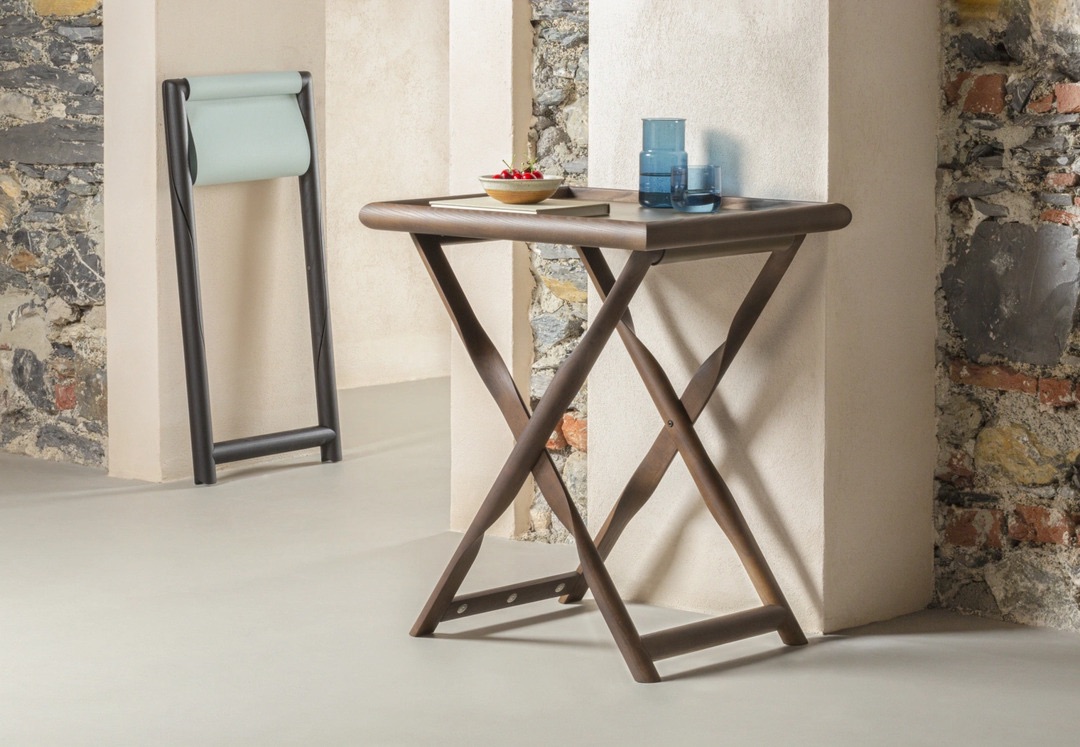
Within this context, small-scale furnishings represent a form of quiet luxury-one defined by flexibility, refinement, and thoughtful design. Side tables, occasional seating, and accent pieces are no longer merely functional additions, but discreet presences that shape the character of a space through proportion, materiality, and craftsmanship. Their strength lies in their ability to balance a compact footprint with a rich design presence: pieces that may be modest in scale, yet never simplified, bringing sophistication, depth, and individuality to the environments they inhabit.
Consider the secondary spaces that have become increasingly important within high-end residential design. Guest suites, independent lofts, and vacation homes are no longer treated as ancillary environments, but are designed with the same level of attention and intention as the primary residence. In these settings, small-scale furnishings enable the creation of spaces that feel both complete and functional through a light yet highly considered design approach, avoiding excess while maintaining a strong sense of aesthetic cohesion.
Through its collection of small-scale furnishings and accessories, the Giobagnara Group offers a thoughtful response to these evolving needs. Founded in Genoa in the late 1990s by Giorgio Bagnara, the group has developed a shared design language rooted in inventive thinking, material integrity, and a pragmatic sense of optimism-values that are interpreted in distinct ways across each of its maisons.
Today, the Giobagnara Group brings together five distinct maisons: Giobagnara, Riviere, Rudi, Rabitti1969, and Pigment France. Each expresses its own unique design perspective, yet all are guided by a shared conviction: that everyday objects deserve genuine attention-an attention rooted in materiality, functionality, and enduring quality.

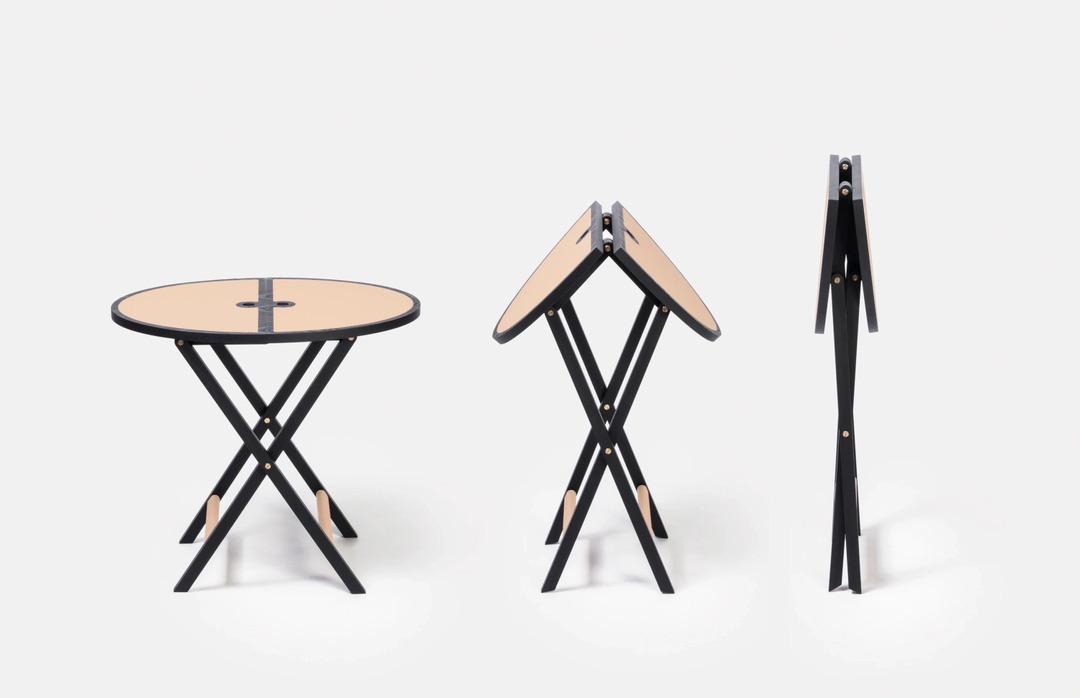
About Giobagnara
Giobagnara, founded in 1999 by Giorgio Bagnara, is renowned for its elegant and luxurious creations that embody sophistication without ostentation. Celebrated for its Made in Italy craftsmanship, the brand upholds the highest standards, combining traditional techniques with advanced technologies. Giobagnara offers a wide range of premium leathers and suedes, enabling innovative and functional designs that push the boundaries of leather craftsmanship. Its expertise has made it a trusted partner for interior architects and specialists in yacht and private jet design, delivering bespoke commissions tailored to unique specifications.
In 2015, Giobagnara expanded its portfolio with the acquisition of Rabitti1969, a brand specializing in saddle leather and rooted in artisanal Made in Italy production. This was followed in 2017 by a strategic collaboration with French designer Stéphane Parmentier, who became Creative Director of Giobagnara and its affiliated brands, further strengthening their position in the luxury sector.
In 2018, the company expanded its offering with the acquisition of Pigment France, recognized for its expertise in leather coverings and the artisanal weaving of wicker, rattan, and straw. In 2022, Giobagnara added the Italian luxury brand Riviere to its portfolio, enriching its range while reinforcing its commitment to Made in Italy craftsmanship and its international leadership in the luxury sector. Today, Giobagnara employs more than 150 people and distributes exceptional leather home accessories worldwide.