
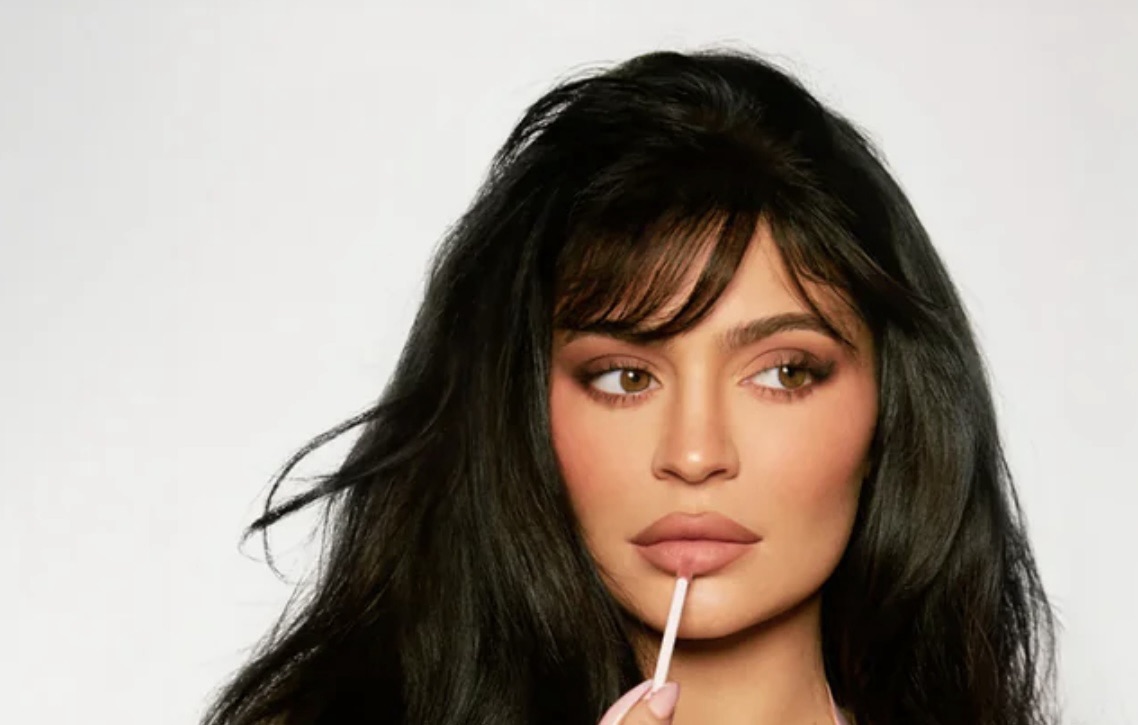
In recent years, the beauty industry has undergone a seismic shift. Traditional cosmetics giants are no longer the only powerhouses dominating the market. A new wave of influencer-backed beauty brands has emerged, capturing significant market share and reshaping consumer expectations. Brands like Uncommon James, Rhode, Fenty, and Kylie Cosmetics have skyrocketed to success, leaving many wondering…what’s the sauce?
Authenticity and Personal Connection
One of the key factors driving the success of influencer beauty brands is the authentic connection they foster with consumers. Unlike faceless corporations, these brands are intrinsically linked to real people – influencers who have built loyal followings through years of engagement on social media platforms.
Take Uncommon James, founded by reality TV star and entrepreneur Kristin Cavallari. Fans who have followed Cavallari’s journey from her Laguna Beach and Hills days to her now Montana Boyz love life feel a personal connection to her brand, viewing it as an extension of her lifestyle and values. This emotional investment translates into brand loyalty and a higher likelihood of purchase.
Leveraging Existing Audiences
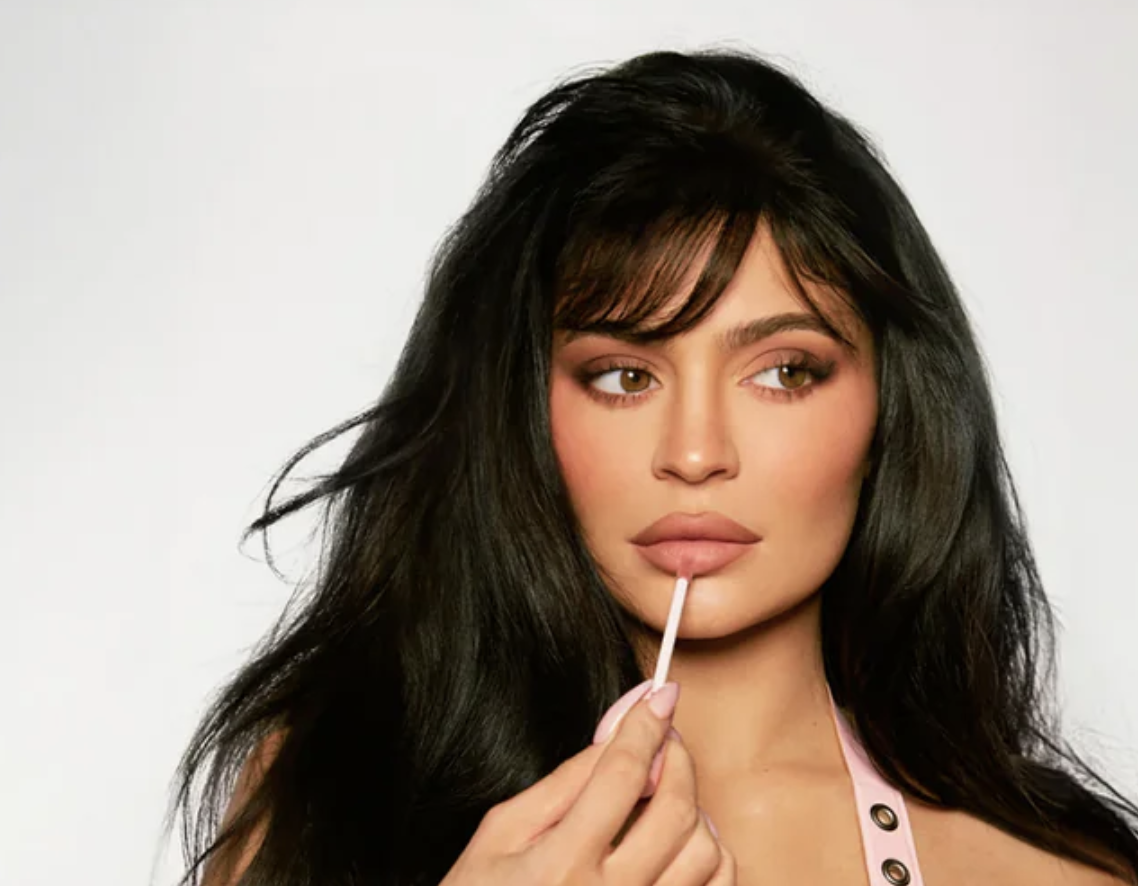
Influencers come to the table with a built-in audience – a massive advantage in today’s crowded marketplace. When Kylie Jenner launched Kylie Cosmetics, she tapped into her enormous social media following, instantly reaching millions of potential customers without the need for traditional (and costly) advertising campaigns.
This direct line to consumers allows influencer brands to create buzz, generate pre-launch excitement, and drive sales from day 1. It’s a powerful marketing tool that traditional brands can’t replicate.
Responsive Product Development
Influencers have their fingers on the pulse of beauty trends and consumer desires. They’re constantly engaging with their audience, gathering feedback, and identifying gaps in the market. This insight allows them to develop products that truly resonate with their target demographic.
Rihanna’s Fenty Beauty is a prime example. Recognizing the industry’s lack of inclusive shade ranges, Rihanna launched her brand with 40 foundation shades, catering to diverse skin tones. This commitment to inclusivity not only filled a market need but also generated immense goodwill and positive press.
The Power of Storytelling
Influencers are master storytellers + they bring this to their beauty brands. Every product launch becomes a narrative, every campaign a chapter in an ongoing story. This approach keeps consumers engaged and emotionally invested in the brand’s journey.
Rhode, founded by model and influencer Hailey Bieber, exemplifies this strategy. Bieber shares her skincare journey, the inspiration behind products, and behind-the-scenes glimpses of the brand’s development, creating a narrative that consumers want to be part of.
Agility and Innovation
Unburdened by the bureaucracy of large corporations, influencer brands can move quickly, adapting to trends and consumer feedback with remarkable agility. They’re often more willing to take risks, experiment with new formulations, or launch unconventional products.
This nimbleness allows them to stay ahead of the curve, continually surprising and delighting their customer base with innovative offerings.
The Influencer Advantage: Why Founder Status Matters
The success of these beauty brands is inextricably linked to the influencer status of their founders. Here’s why:
- Credibility and Expertise: Influencers in the beauty space have often spent years testing and reviewing products, giving them a level of expertise that consumers trust. When Hailey Bieber launched Rhode, her followers viewed her as a skincare authority, having witnessed her own skin journey and product recommendations over time.
- Authenticity in Marketing: When an influencer promotes their own brand, it feels more genuine than traditional celebrity endorsements. Fans believe that the influencer truly uses and believes in the products they’re selling, as their reputation is on the line.
- Direct Feedback Loop: Influencer-founders have direct access to their customer base through social media. They can quickly gather feedback, address concerns, and iterate on products in real-time, creating a sense of co-creation with their audience.
- Personality-Driven Branding: The brand becomes an extension of the influencer’s personality and lifestyle. Kylie Cosmetics, for instance, is imbued with Kylie Jenner’s aesthetic and appeal, making it instantly recognizable and desirable to her fans.
Influencer Marketing Beyond Owned Brands
The success of influencer-founded brands has not gone unnoticed by traditional beauty companies. Many have pivoted to incorporate influencer marketing strategies:
- Collaborations and Limited Editions: Brands like MAC, ColourPop, and Benefit frequently collaborate with influencers on limited-edition collections, tapping into their followers and creative vision.
- Brand Ambassadors: Long-term partnerships with influencers have become common. For example, L’Oréal Paris works with a diverse range of influencers as brand ambassadors, from established celebrities to up-and-coming social media stars.
- Micro-Influencer Campaigns: Recognizing the power of niche audiences, many brands now work with micro-influencers who have smaller but highly engaged followings in specific areas of beauty.
- User-Generated Content: Encouraging customers to become micro-influencers themselves, brands like Glossier have built their marketing strategy around user-generated content and community engagement.
The Future of Beauty
As influencer-backed beauty brands continue to gain power, they’re forcing the entire industry to evolve. Traditional brands are taking notes, increasing their social media presence, collaborating with influencers, and focusing on more authentic marketing strategies.
While not every influencer-backed brand will achieve the stratospheric success of a Fenty or Kylie Cosmetics, there’s no denying that these brands have fundamentally altered the beauty landscape. By leveraging personal connections, harnessing the power of social media, and staying tuned in to consumer desires, influencer beauty brands have written a new playbook for success in the cosmetics industry.
The rise of influencer-backed beauty brands represents more than just a trend; it’s a shift in how consumers relate to and engage with beauty products. As the line between content creator and brand founder continues to blur, we can expect to see even more innovation and personalization in the beauty industry, driven by the powerful connection between influencers and their audience.
Discover more from DANIEL+LAUREN
Subscribe to get the latest posts sent to your email.