

Sharing a home across three generations is one of those things that sounds sweet in theory but gets complicated in practice. You’ve got kids with their mess and noise, parents juggling work and bills, and grandparents bringing in their own habits, expectations, and sometimes health needs. It’s a dynamic mix of love, tension, and learning how to navigate life under one roof without stepping on each other’s toes. But when it works, it can be one of the richest, most rewarding living situations you’ll ever experience.
Respect Different Rhythms
Everyone in the house is moving at their own pace—literally and figuratively. Your toddler might be running laps by 7 a.m. while your retired parent is still trying to enjoy their quiet morning tea. Meanwhile, you’re on your fifth Zoom call before lunch. Harmony starts with recognizing and respecting each person’s routine. If someone needs quiet while another needs noise, set boundaries that don’t feel like punishments but simply part of coexisting.
Create Personal Space, Even If It’s Small
You don’t need a mansion to carve out private space for each generation. Sometimes it’s just a cozy reading nook for grandma, a homework corner for the kids, or a bedroom that feels like a sanctuary for you. The goal is to make sure no one feels like they’re always “on” or always in a shared space. Having a place to retreat to helps lower stress and gives everyone a sense of autonomy, which can go a long way in keeping the peace.
Set the Tone With Communication
You’re going to need more than just occasional dinner table chit-chat to keep things flowing smoothly. Regular family check-ins—maybe once a week or even biweekly—can help air out small frustrations before they grow into resentment. Let everyone share what’s working and what’s not, and really listen to each other. Keep the tone respectful but honest, and make sure the kids feel heard too, not just the adults.
Share the Load
Let’s be real—one of the fastest ways to build tension in a multigenerational home is when someone feels like they’re doing all the work. Divide responsibilities like meals, chores, and errands in a way that reflects both ability and availability. If grandma loves cooking, great, let her take that on—but don’t make it an unspoken expectation. Spread out the work, and say thank you often. Appreciation can keep small tasks from turning into silent resentment.
Guard Your Finances With Home Warranty Coverage
When you’re living in a home full of generations, the last thing you need is a busted water heater or failing fridge draining your budget. Having home warranty appliance coverage in place can take the edge off those surprise repair costs, especially when household systems are being used around the clock. Look for a plan that goes beyond the basics—some even include removal of broken-down equipment and protection against failures caused by shoddy installations or past repair work. That kind of coverage isn’t just practical, it’s peace of mind when the unexpected hits.
Allow Traditions to Evolve
It’s tempting to cling to the way things “used to be,” especially for older generations. But when three generations share a home, traditions have to bend a little to stay alive. Maybe you keep the Sunday family dinner but add in everyone’s input, or you celebrate holidays in a new way that includes everyone’s ideas. Tradition isn’t just about repetition—it’s about meaning. Let it grow with your family, not against it.
Learn from One Another
There’s gold in the generational gap if you let it shine. Kids can learn patience, stories, and values from their grandparents, while older adults get the joy of being around fresh energy and curiosity. Don’t force it, though. Let connections build naturally—maybe through cooking together, card games, or a shared love of old cartoons. These bonds don’t just keep the home peaceful—they make it vibrant and meaningful.
Be Flexible, Not Fragile
A multigenerational household is constantly in motion. Health needs change, school schedules shift, someone gets a new job or loses one. The key isn’t to create rigid systems, but flexible ones that can adapt when life throws a curveball. Have some core rules, sure, but leave space for the unexpected. When your home can bend, it won’t break—and neither will your relationships.
Build In Laughter and Levity
When you’re juggling a packed house and everyone’s emotions, it’s easy to get bogged down in logistics. But some of the best glue in a multigenerational home is laughter. Whether it’s watching a silly show together or sharing old embarrassing stories, don’t underestimate the power of humor to diffuse tension. Joy doesn’t just make things bearable—it makes them beautiful.
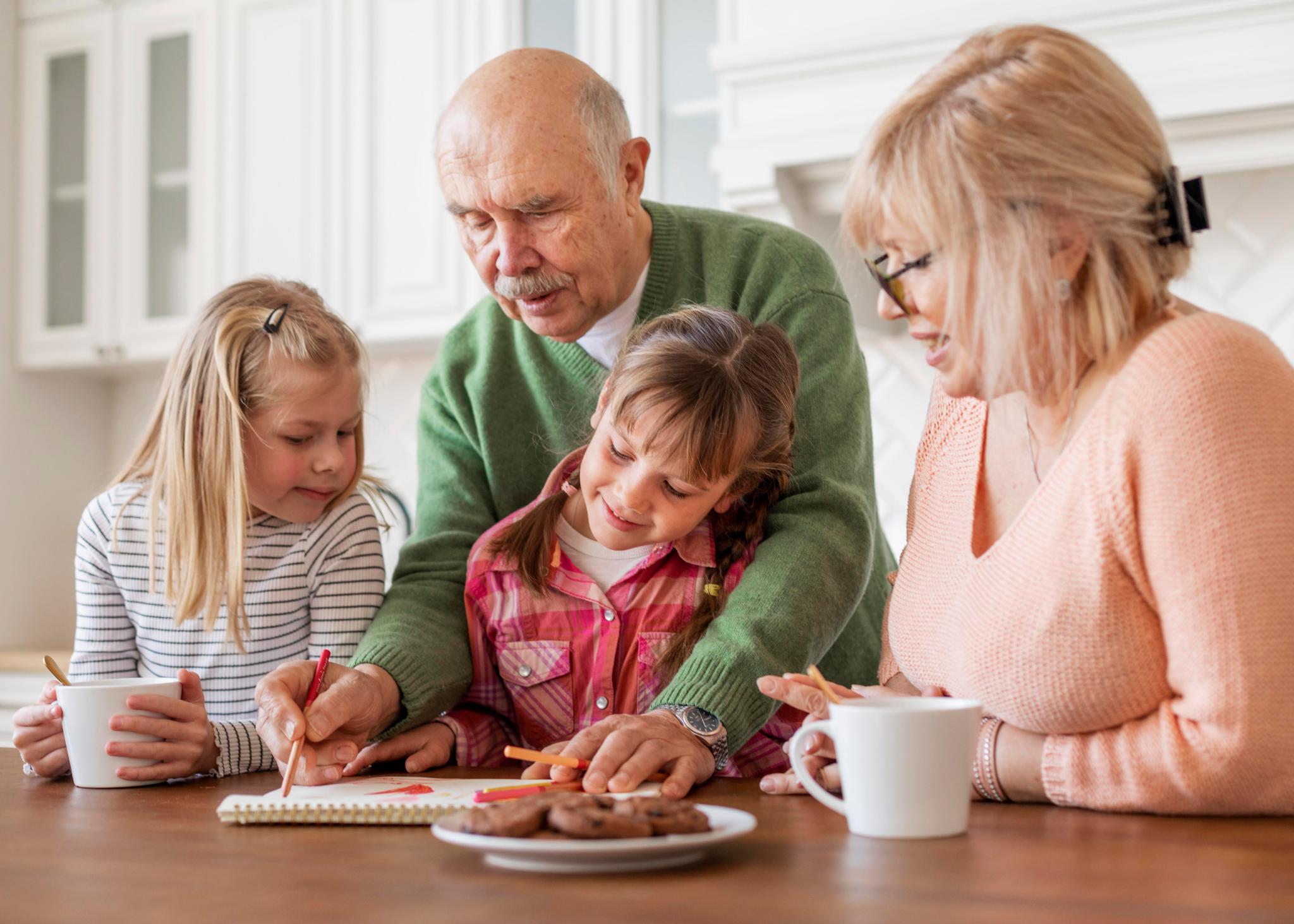
A multigenerational home isn’t supposed to be perfect. It’s layered, a little messy, and always evolving. But when everyone in the house commits to kindness, flexibility, and mutual respect, something special happens. You stop seeing each other as obligations and start seeing each other as teammates. And that kind of harmony? It’s built day by day, in small gestures, shared meals, and quiet understanding.
By ED CLARKE of SOCIAL HEALTH TODAY
Discover the latest in fashion, design, and culture at Daniel+Lauren, where style meets innovation and creativity thrives. Dive into our world and stay ahead of the trends!
DANIEL QUINTANILLA
Discover more from DANIEL+LAUREN
Subscribe to get the latest posts sent to your email.